
AI voice recording · How-to guide
How to use a voice recorder with ChatGPT and AI tools
Most voice recorders produce audio files. ChatGPT processes text. The step between them (upload, transcribe, paste) is where the habit breaks. A recorder that handles transcription and AI processing in the same device removes the friction that makes the manual workflow unsustainable.
 Best for voice-to-AI workflows
Quick answer
4 methods from voice recording to ChatGPT output
ChatGPT can capture and process voice input through its own built-in tools or by accepting an uploaded audio file from any external recorder.
1. Use ChatGPT's Record Mode on the desktop or Mac app
The ChatGPT desktop and Mac app includes a Record button in the prompt area. Click it to capture microphone audio directly into the chat.
2. Click the microphone icon for real-time dictation
The mic icon in the ChatGPT prompt box converts speech to text before sending. This is best for composing messages hands-free.
3. Record externally and upload the audio file
Record on any voice recorder app, save the file, and upload it directly to ChatGPT for transcription and analysis.
4. Use a specific prompt to get structured output
A specific prompt like "List all decisions made, with the name of the person who made each one" returns structured output.
Methods
Which setup gets from audio to AI output fastest
Compared on the number of manual steps between recording and usable AI output, the quality of the AI model used, export options, and whether processing happens automatically or requires manual action.
Phone voice memo → Whisper → ChatGPT manual
Record on phone, download file, upload to Whisper, copy transcript, paste into ChatGPT with prompt, copy output. Five or more steps. No speaker labels.
Otter.ai bot on Zoom
Auto-transcribes video calls. Otter AI summary is limited to Otter's model. Custom output requires additional steps outside Otter. Call-only.
Plaud Note with the Plaud app
Auto-transcribes via the Plaud app after upload. AI summary via the app. Custom prompts require manual copy-paste to ChatGPT.
Plaud Note Pro with Plaud Intelligence
Auto-syncs, transcribes, and generates structured output using 10,000+ session-specific templates. Native export to Notion, email, project tools. Covers calls and in-person. Always record with consent.
Based on common voice recording and AI tool workflows and Plaud product data. Always confirm participant consent before recording any conversation or meeting.
Tips
Five manual steps is not a workflow. It is why the habit does not form.
A voice-to-AI workflow breaks at the step that takes the most effort. Without automatic sync, the recording waits for an upload that often gets postponed. Without session-specific templates, a generic summary comes back regardless of what was discussed. Without native export, routing the output to the right tool adds another step where the workflow stops.
The easier way
How Plaud Note Pro turns a voice recording into transcript and notes
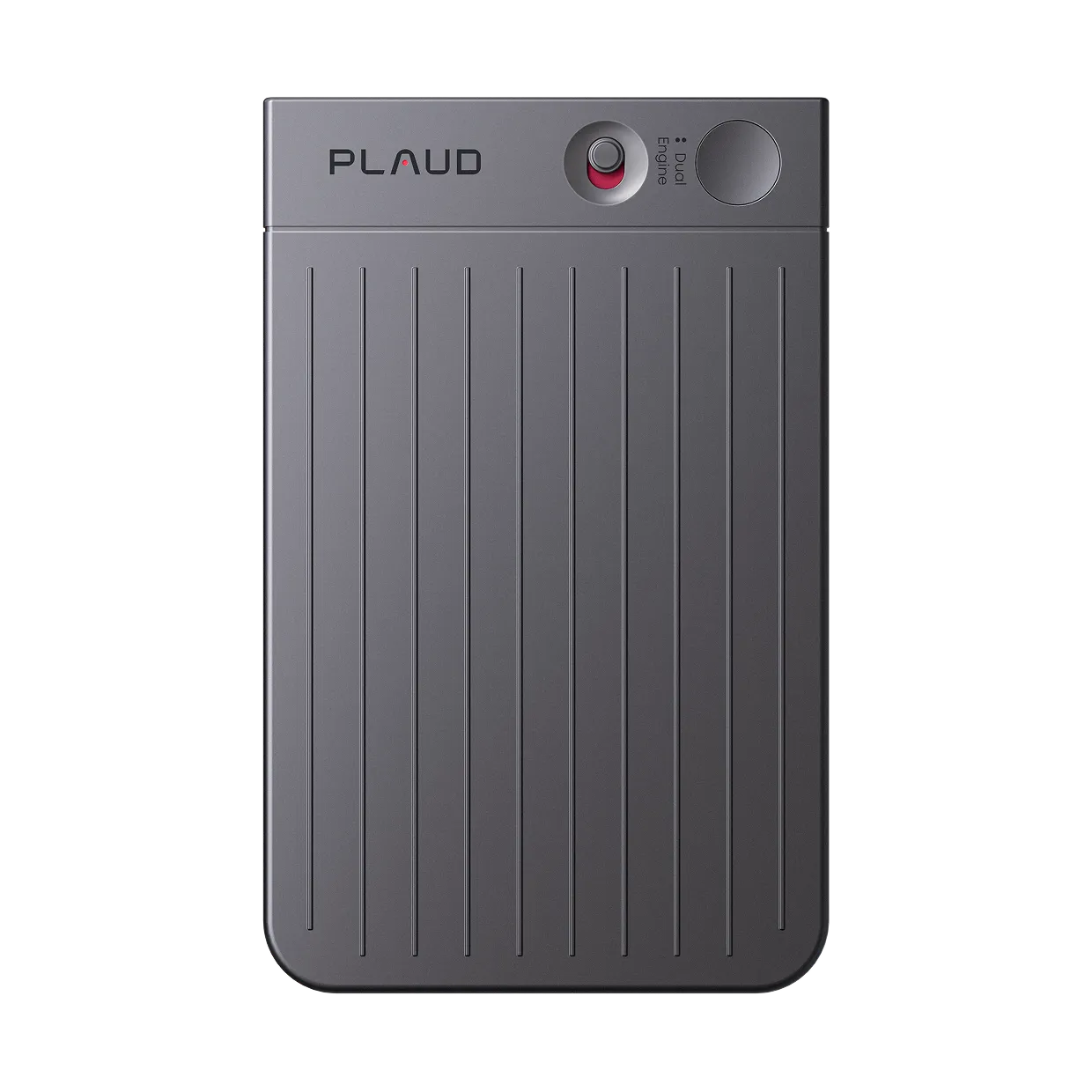
Plaud Note Pro records audio through four MEMS mics with AI beamforming. It syncs automatically to the Plaud App and applies Plaud Intelligence to generate structured notes in your chosen template. Over 10,000 templates cover meeting formats, interview styles, lecture notes, and more. You get a transcript and organized notes from a single recording with no manual steps. Always confirm consent from all participants before recording any conversation.
- 10,000+ session-specific templatesPlaud Note Pro applies Plaud Intelligence to generate notes in a session-specific template automatically. Over 10,000 templates are available across meeting, interview, and content formats.
- Auto-syncs to Plaud AppPlaud Note Pro syncs to the Plaud App the moment you open it, so transcription begins without a separate upload step.
- Native export to Notion and emailPlaud Note Pro exports directly to Notion and email through the Plaud App, keeping your notes inside the tools you already use.

Plaud Note Pro
A physical AI note taker built for transcription and structured notes. Four MEMS mics with AI beamforming. Transcript and organized notes from one recording.
Plaud Note Pro vs Plaud Note
Plaud Note Pro for a fully automated pipeline with no manual steps. Plaud Note for accurate transcription that you export to ChatGPT.
Plaud Note Pro
Record once. Get structured AI output in Notion, email, or your project tool, automatically.
- Plaud Intelligence with 10,000+ templates
- Smart dual-mode (calls + in-person)
- Native export to Notion, email
- Up to 30 hours recording

Plaud Note
Best for accurate transcription via the Plaud app. Manual export to ChatGPT or other AI tools.
- High-accuracy transcription
- Plaud app for AI summary
- Manual export to ChatGPT
- Compact card-style design
FAQ
How do I use ChatGPT with a voice recorder?
The ChatGPT desktop and Mac app has a built-in Record Mode. You can also record on any voice recorder app and upload the file to ChatGPT.
Can you use a voice recorder with AI?
Yes. Any AI tool that accepts text can process a transcript from any voice recorder. A recorder with built-in transcription removes the manual upload step.
What is the best AI voice recorder?
Plaud Note Pro pairs recording with Plaud Intelligence for a fully automated pipeline. Plaud Note is a more affordable option for accurate transcription.
How to summarize a recording with AI?
Transcribe the recording first, then paste the transcript into ChatGPT with a specific output prompt. Plaud Intelligence does this automatically using session-specific templates.
Related
Related articles
Explore more guides on AI note taking and meeting workflows.

How to turn meeting notes into action items
The problem with most meeting notes is the step after them. Here's how to convert documentation into attributed action items.
Read more
How to take meeting notes that people actually use
Writing notes and listening at the same time splits attention. Here's how to get complete notes without the split.
Read more
Wearable AI meeting note taker — automate your meeting notes
Learn how to use wearable AI note takers for transcription, meeting summaries, and structured notes.
Read more
How to write meeting minutes faster with AI
Learn how to write meeting minutes faster with AI. Record hands-free then let AI transcribe, summarize and structure your notes.
Read more